


🔑 Key Points:
- Severe bruxism generates massive pressure up to 70% higher recently, risking high-end dental restorations like porcelain veneers and implants.
- Without a periodontal ligament, titanium implants transfer nighttime grinding forces directly into underlying bone, causing dangerous marginal resorption.
- Shtern Dental Clinic utilizes CAD/CAM technology to create precise, digitally programmed nightguards that effectively absorb extreme neuromuscular forces.
- The multidisciplinary boutique clinical approach at Shtern Dental Clinic integrates periodontists and prosthodontists under one roof, providing comprehensive solutions instead of symptomatic care.
- Located in Cancun, Shtern Dental Clinic offers premium care up to 70% cheaper than the US, featuring multilingual logistical support.
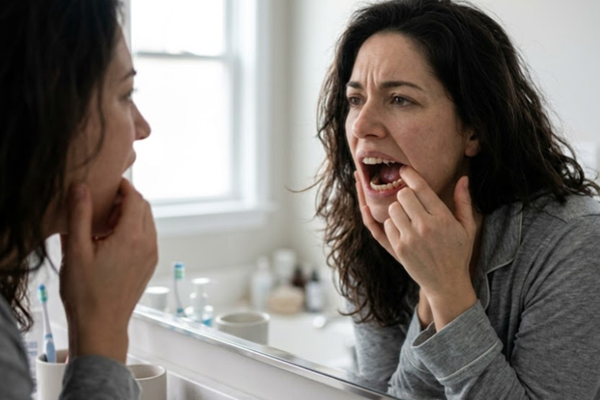
Investing in your smile through porcelain veneers or dental implants is a decision that completely transforms your confidence and quality of life. However, waking up with a dull ache in your jaw or feeling a constant tension in your teeth can trigger an alarming warning sign. The fear of fracturing or losing that valuable cosmetic restoration due to an uncontrollable nighttime bite is a real concern you should not ignore.
To safeguard your health and ensure the longevity of your smile design, an early and personalized diagnosis is absolutely essential. The comprehensive oversight that only a multidisciplinary dental clinic can provide is the key to neutralizing the destructive forces threatening your mouth. At Shtern Dental Clinic, we know that coordinating the vision of different specialists under one roof is the only secure way to protect your investment and restore your peace of mind.
What Is Bruxism and Why Does It Risk Your Restorations?
Bruxism is a neuromuscular condition characterized by the involuntary clenching or grinding of teeth, occurring primarily during the hours of deep sleep. This parafunctional activity generates massive pressure on the stomatognathic system, reaching forces that far exceed the normal biological limits of everyday chewing. The true danger lies in the fact that this discharge of energy does not just wear down natural enamel, but subjects premium dental restorations to extreme physical stress.
According to studies published by the American Dental Association (ADA), cases of sleep bruxism have shown an increase close to 70% in recent years on a global scale. This continuous overload is highly destructive to high-end materials such as feldspathic porcelain, lithium disilicate, or zirconia. Without timely and preventive treatment, accumulated structural fatigue will inevitably cause the premature failure of even the most sophisticated dental procedures.
💡 Important practical tip:
Bruxism is not limited to nighttime grinding. Many patients develop a chronic daytime habit of light tooth contact (awake bruxism), often triggered by stress or intense concentration. Even minimal, continuous pressure can overload the teeth, veneers, implants, and jaw joints over time. Maintaining a relaxed jaw position—with the lips gently closed and the teeth slightly apart when not chewing—helps reduce unnecessary mechanical stress on your dental restorations.
Why Veneers and Implants Face Severe Risks from Teeth Grinding
Severe bruxism acts as an invisible destructive force for top-tier materials that require specialized, continuous care. Because patients lack a conscious warning mechanism during the night, friction vectors are directed straight toward the most vulnerable areas of your dentition. Without proper protective measures, this relentless neuromuscular pressure will eventually fracture or compromise even the most durable components of your mouth.
The Impact of Occlusal Overload on Porcelain Veneers
Cosmetic veneers are bonded to the tooth structure using a highly precise micro-fixation protocol designed to withstand normal physiological forces. However, the lateral and shearing movements caused by nighttime grinding generate an unsustainable tensile stress on the restoration margins. This continuous friction weakens the resin cement layer, leading to microfractures, unexpected debonding, or unsightly chipping along the delicate incisal edges.
Dental Implants and Trauma-Induced Marginal Bone Loss
Unlike natural teeth, titanium implants lack a periodontal ligament, which serves as the human body’s natural biological shock absorber. Because they are firmly osseointegrated, any excessive pressure travels directly and without mechanical filters into the underlying maxillary or mandibular bone. This absolute lack of resilience turns the forces of bruxism into a continuous trauma for the entire supporting foundation.
This chronic mechanical overload can initially manifest as a loose prosthetic screw or an unexpected fracture of the zirconia crown. In the most severe scenarios, the occlusal trauma triggers a process of marginal bone resorption around the implant neck. Without the active intervention of a periodontist, this bone loss compromises the stability of the fixture, putting the long-term permanence of the implant at serious risk.
Precision Diagnostics for an Effective Treatment
To stop nighttime wear, an advanced evaluation utilizing a digital framework that thoroughly maps your unique jaw dynamics is indispensable. Choosing the backing of a multidisciplinary dental clinic instead of a mass-market commercial approach is the key factor that determines the ultimate lifespan of your restorations. Studying oral health comprehensively allows our team to anticipate mechanical failures before they cause irreversible physical damage to your smile.
At Shtern Dental Clinic, we analyze complete bite dynamics using high-fidelity digital technologies to provide you with fully customized solutions. We meticulously map maxilla pressures to anticipate structural flaws in your veneers or implants, structuring a targeted containment plan. Below, we break down the fundamental differences between our patient-centered boutique model and the traditional commercial dental approach:
| Evaluation Criterion | Traditional Commercial Clinic | Shtern Multidisciplinary Approach |
|---|---|---|
| Diagnostic Method | Quick visual assessment and basic physical molds. | 3D digital scanning and complete gnatological analysis. |
| Nightguard Design | Generic or catalog thermoformed vacuum devices. | Occlusal splints digitally programmed via computer software. |
| Specialists in Charge | General dentist with a vision limited to the symptom. | Medical board of prosthodontists, periodontists, and surgeons. |
| Treatment Origin | Symptomatic approach (only covers the teeth). | Etiological treatment focused on neuromuscular balance. |
The Shtern Boutique Approach as the Ultimate Integrated Solution
At Shtern Dental Clinic, we redefine the medical tourism experience by offering a world-class boutique model designed specifically for international patients. We completely step away from hurried, mass-production treatments to provide you with extended sessions, advanced three-dimensional diagnostics, and affectionate, personalized care. This entire process takes place in the relaxing paradise of Cancun, offering you premium care with prices up to 70% lower than in your home country.
Our entire infrastructure is oriented toward providing absolute tranquility, featuring a highly experienced team and multilingual support in English, Spanish, Russian, and Hebrew. Periodontists, rehabilitators, and joint experts collaborate actively under one roof to design an advanced containment strategy tailored to your needs. Additionally, we hold exclusive alliances with trusted travel agencies to facilitate every single aspect of your vacation logistics, stay, and local transportation.
Advanced Treatments and Solutions to Teeth Grinding
High-Precision Nightguards and Digital CAD/CAM Design
The first line of defense consists of fabricating rigid stabilization splints designed through high-fidelity robotic CAD/CAM technology. These specialized devices are custom-engineered to modify jaw positioning, effectively deprogramming hyperactive masticatory muscles during your deep sleep cycles. By interposing itself exactly between your dental arches, the high-end guard absorbs the mechanical impact, offering definitive solutions to teeth grinding while protecting your porcelain from fractures.
Neuromodulator Therapies
For patients exhibiting severe muscle activity, we incorporate advanced therapeutic applications aimed at temporarily relaxing the hyperactive masseter muscles. This cutting-edge medical procedure safely reduces the involuntary contraction force of the jaw throughout the night. The greatest advantage of this modern approach is that it targets the overactive muscle fibers without altering your natural chewing function or your everyday facial expressions.
Bite Equilibration
Complementing these therapies, the use of high-precision indicators or digital bite sensors allows us to record exactly how your teeth meet. The patient bites down gently on these elements, mapping out the specific contact zones receiving an excess of detrimental physical pressure. Once these premature high points are localized, the dentist performs a sutil, micro-millimeter adjustment on the misaligned areas, ensuring neuromuscular loads are distributed evenly.
Frequently Asked Questions About Restoration Care
Can a porcelain veneer break if I suffer from bruxism?
Yes, cosmetic restorations can suffer structural damage under the extreme physical pressure caused by constant, unmanaged nighttime teeth grinding. Although modern dental porcelain possesses extraordinary structural resistance against normal chewing forces, severe bruxism can easily chip or fracture the material. For this reason, using a digitally programmed protective nightguard is an obligatory requirement to safeguard your beautiful aesthetic investment.
How do I know if my dental implant is being damaged by teeth grinding?
Identifying the impact of bruxism early is crucial to saving your restoration and preventing localized bone loss around the underlying fixture. Pay close attention to the signals your body sends you in the morning and check if you experience any of these specific alert symptoms:
- A dull, persistent ache localized directly around the implant site immediately upon waking up.
- Muscle fatigue or severe stiffness in your cheeks and jaw due to intense nighttime clenching tension.
- Slight mobility in the crown or the continuous feeling that the internal prosthetic screw is backing out.
What differentiates a multidisciplinary clinic from a common dental office?
A traditional dental office usually addresses oral issues in isolation, focusing solely on repairing the single damaged tooth surface. In contrast, at a multidisciplinary dental clinic like Shtern Dental Clinic, we analyze your mouth as a dynamic, interconnected system. We simultaneously evaluate porcelain aesthetics, underlying bone architecture, and neuromuscular function to deliver comprehensive, life-long dental solutions.
Schedule an Evaluation at Our Multidisciplinary Dental Clinic
Preserving the significant financial and aesthetic investment of your smile design requires a comprehensive protection strategy that neutralizes neuromuscular stress. At Shtern Dental Clinic in Cancun, we redefine medical tourism in Cancun, combining international scientific rigor with an exclusive, deeply caring boutique environment. Our medical board reviews your case collectively to design a timely containment plan that protects your long-term oral health.
We invite you to take the first step toward definitive oral health by scheduling a personalized consultation with Dr. Mark Shtern. Our multilingual team will plan your custom treatment using next-generation digital technology, ensuring your restorations remain intact, healthy, and radiant for many years to come. Let us take care of your smile while you experience maximum relaxation and enjoy the beautiful Mexican Caribbean.
Sources

Prosthetic Rehabilitation Specialist
See full Bio
Professional License: 9723114
Specialty in Oral Prosthetics: 10548227