



An unexpected impact to the face triggers an immediate rush of adrenaline and fear. Whether from a sports accident or a fall, dental trauma requires a swift response to save your smile. At Shtern Clinic, we understand this moment is critical for keeping or losing a tooth.
What really happens beneath the surface
When an impact occurs, damage can be obvious or remain hidden. The trauma affects several structures:
- External structure: Visible enamel fractures.
- Soft tissues: Damage to gums and surrounding tissues.
- Vital supply: Affects blood vessels and nerves.
- Bone support: Impact on the alveolar bone that holds the tooth.
Acting within the first 30 to 60 minutes is essential for the success of any treatment.
Emergency Protocol: If the tooth is knocked out (Avulsion)
If the impact causes the tooth to be knocked out, time is the determining factor. Follow these steps:
- Handling: Always handle the tooth by the crown, never the root.
- Re-implantation: If it is a permanent tooth and it is clean, try to gently re-implant it.
- Transport: If you cannot re-implant it, keep it in a container with cold milk or saliva.
- Urgency: Reach the clinic immediately to increase the chances of success.
Following the international guidelines of the IADT (International Association of Dental Traumatology), immediate management is the most important predictive factor for tooth survival.
Fracture Levels and Long-Term Consequences
Distinguishing severity helps determine treatment urgency. A superficial enamel fracture is usually an aesthetic issue resolved with resins or veneers. However, if it reaches the dentin, you will notice sensitivity to cold or heat.
When the impact splits the root, diagnosis requires cutting-edge technology. Vertical fractures are often invisible on 2D X-rays. In our clinic, we use CBCT scans to map damage with millimeter precision. We also monitor vitality to prevent pulp necrosis, which can occur months later if blood flow is interrupted and the tooth changes color.
| Damage Type | Primary Symptom | Diagnostic Technology | Shtern Clinic Solution |
|---|---|---|---|
| Enamel Fracture | Roughness or sharp edge | Clinical visual exam | Aesthetic Bonding or Veneers |
| Dentin Damage | Hot/cold sensitivity | Digital transillumination | Crowns or Inlays |
| Pulp Trauma | Color change (gray/dark) | Pulp vitality testing | Root Canal Treatment |
| Root Fracture | Pain when chewing or mobility | 3D Scan (CBCT) | Immediate Load Implants |
The Role of Diagnostic Precision in Recovery
We seek a functional and aesthetic restoration that lasts decades. Well-managed trauma starts with a multidisciplinary evaluation by endodontists and rehabilitation specialists. In cases of total loss, dental implants are the gold standard, preventing jawbone resorption.
💡Expert Advice: Immediate Salvage Protocol
- Locate the fragment: Retrieve the tooth fragment, holding it by the crown.
- Critical hydration: Submerge the piece in whole milk or saline solution. Never use tap water, as chlorine damages periodontal ligament cells. As a hypotonic solution, water creates an osmolarity imbalance that leads to cell lysis (bursting) of the periodontal ligament cells, destroying any chance of successful replantation.
- Window of opportunity: You have a maximum of 60 minutes for a successful replantation.
As the AAP (American Academy of Pediatrics) warns, immediate re-implantation should only be attempted with permanent teeth. Never attempt to re-insert a primary (baby) tooth, as this could damage the developing permanent tooth underneath.
Frequently Asked Questions About Dental Trauma
Can I fly after suffering dental trauma?
Generally, yes. Most dental procedures, including crowns, veneers, and simple extractions, do not restrict you from flying. However, there are two main exceptions:
- Sinus Involvement: If your trauma or surgery (like a sinus lift or upper jaw implant) involved the sinus cavities, cabin pressure changes could cause discomfort.
- Active Infections: If there is an untreated abscess or trapped air under a temporary restoration, the change in atmospheric pressure might cause minor throbbing.
At Shtern Dental Clinic, we specialize in “Dental Tourism” logistics. We use advanced techniques to ensure all restorations are perfectly sealed, and we assess your clinical stability before you head to the airport. In most cases, you can fly home comfortably the very next day.
How long does a crown or implant last after an accident?
With proper care and our precision technology, a crown can last between 10 and 15 years, while a dental implant is designed to be a lifelong solution. Long-term success depends on the quality of the initial bone support, which we meticulously evaluate using our 3D CBCT scans to ensure the foundation of your new smile is solid and durable.
Is it normal for my tooth to feel loose weeks after dental trauma?
A tooth may have some initial mobility due to inflammation of the periodontal ligament, but if the sensation persists or increases weeks later, it could indicate an undetected root fracture or loss of bone support. Professional clinical follow-up is crucial; at Shtern Clinic, we monitor these cases closely to determine if the tooth needs stabilization with a dental splint or restorative intervention.
Why Choose Shtern Dental Clinic in Cancun?
At Shtern Dental Clinic, we understand that facing dental trauma far from home generates anxiety. That is why the compassionate care we provide to every patient is just as important as the state-of-the-art technology we utilize. Choosing more accessible costs in Mexico does not mean sacrificing quality: here you will find the same diagnostic precision and highly experienced bilingual personnel as in the U.S. or Canada, but with a “boutique” approach that values your well-being over patient volume.
Our commitment as active members of the ITI (International Team for Implantology) and specialists in Oral Rehabilitation is to guarantee that your care meets the most demanding global standards of safety and precision. To achieve this, we utilize on-site laboratories that allow us to design pieces with a perfect fit without long waits, and we offer conscious sedation protocols to perform complex procedures in total relaxation.
Our mission is to restore the functionality and aesthetics of your smile, becoming your allies in this healing process. From your first virtual consultation, we take care of all the logistics of your trip to Cancun, coordinating transfers and appointments so that your only concern is enjoying the Caribbean while you recover the confidence to smile. I invite you to schedule a virtual consultation to plan your recovery in paradise.
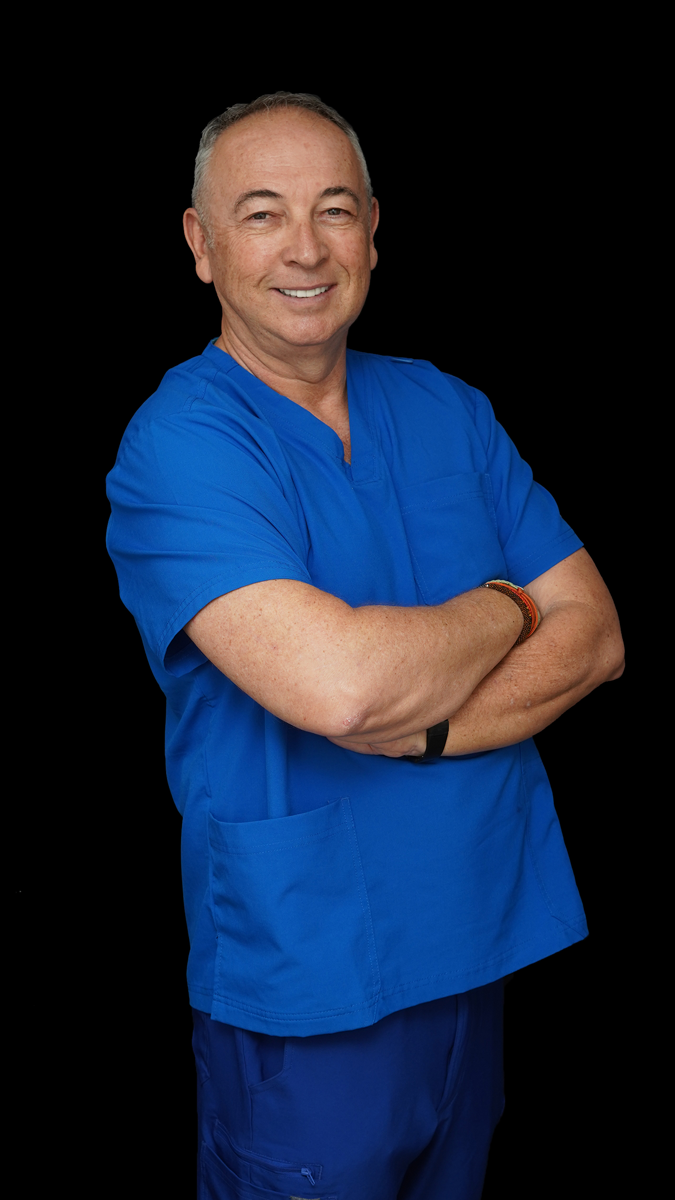
UNAM/ 5758458 COFEPRIS: 2423022002A00042
Recognized Expert in Dental Surgery and Implantology See full Bio