Have you been dealing with gingivitis or periodontitis and aren’t sure what to do? For many patients, conventional treatments can sound intimidating, costly, and out of reach… until now.
Modern dentistry has introduced a less invasive and more comfortable alternative for patients, yet one that allows specialists to achieve micrometric precision: laser therapy for periodontitis.
Today, I want to share everything about this minimally invasive gum treatment: laser therapy and how we can use it to help you regain your smile.
🧐 What Is Laser Therapy for Periodontal Treatment?
Before discussing dental lasers for periodontitis, it’s important to understand what periodontal disease is. It is an inflammatory disease that affects the tissue supporting the teeth: the gums, as a result of bacterial proliferation due to poor hygiene habits.
As it progresses, bacterial plaque, tartar, and calculus progressively destroy the bone and gingival tissue. Therefore, the main goal of periodontal treatment is to remove these deposits and help the gums reattach to the tooth.
Conventional treatments for periodontitis are scaling and root planing, which are used to remove the accumulated plaque and tartar from the periodontal pockets. While they remain the gold standard, in some cases they are not sufficient to eliminate the bacteria.
This is where laser therapy comes in as a complement or to achieve better results in treating periodontal disease.
Laser therapy is a minimally invasive approach that uses high-intensity light energy to treat the infection and inflammation caused by periodontitis, promoting faster healing with less trauma to the patient.
Lasers have a strong affinity for dark pigments: meaning they are attracted to bacteria and old tartar, while leaving healthy surrounding tissue unaffected. This mechanism is based on a photothermal (light and heat) interaction process and photobiomodulation (cell stimulation) that eliminates damaged tissue and promotes the natural healing of the gums.
🔬 How Does Periodontal Laser Therapy Work?
The functioning of laser therapy follows a process:
- Evaluation and Diagnosis. We perform an X-ray assessment to visualize the extent of the disease and the degree of bone loss.
- Anesthesia. In some cases, we apply anesthesia to the area being treated to ensure you feel comfortable and relaxed during the procedure.
- Accessing the Periodontal Pocket. We identify the periodontal pocket: the space where the gum has separated from the tooth and tartar accumulates.
- Laser Application. Using a very fine optical fiber, we direct the light beam to the periodontal pockets. This light energy creates a photothermal effect that vaporizes and eliminates bacterial colonies, without damaging the healthy tissue.
- Debridement and Cleaning. In some cases, we need to use other instruments to remove tartar and plaque from the tooth roots. The laser smooths the surface of the bacterial plaque, making it easier to eliminate.
🦷 Conditions Treated with Dental Lasers
Dental lasers are versatile treatments that can be adapted to different gum conditions. For example:
- Gingivitis. In the early stage of periodontal disease, we use the laser to deeply disinfect the gum line.
- Periodontitis. The laser allows us to access the periodontal pockets to eliminate bacteria that curettes cannot reach.
- Reduction of Periodontal Pockets. We use the laser to clean and seal the affected area, helping the gum tissue reattach to the tooth.
- Soft Tissue Microsurgeries. The laser is used for procedures like frenectomy or to contour the gums aesthetically without a scalpel.
- Dental Implants Care. We use the laser to eliminate tartar buildup that affects implants (peri-implantitis), decontaminating the surface without damaging the implant.
🔦 Types of Lasers Used in Periodontics
When we talk about laser therapy, we’re not referring to a single device. There are different types of lasers designed with a specific wavelength to interact differently with gingival tissues:
Diode Lasers
Diode lasers are the latest innovation in dentistry and are the most known and versatile for soft tissue treatment.
These lasers operate at wavelengths between 810 and 980 nanometers (nm), which are absorbed by pigmented tissue and blood. This makes them excellent for cutting and sealing soft tissues at the same time.
One feature of diode lasers is that when cutting, they immediately seal blood vessels. This helps control bleeding during the procedure and reduces postoperative swelling.
We mainly use them to remove inflamed or diseased gingival tissue from the periodontal pocket, as well as to contour the gums for aesthetic or functional reasons.
Nd:YAG Lasers (LANAP Protocol)
The Yttrium Aluminum Garnet (Nd:YAG) laser is known for the LANAP (Laser-Assisted New Attachment Procedure) protocol, a treatment that has made a significant impact in periodontics.
The Nd:YAG laser operates at a wavelength of 1064 nm, allowing it to reach greater depth in the pocket. It has a strong affinity for pigmented tissue and dark tartar, which enables us to reach and disinfect the deepest periodontal pockets, where mechanical methods often have limited access.
In addition to removing bacteria and diseased tissue, the Nd:YAG laser promotes the regeneration of the periodontal ligament, bone, and gum retraction, making it a recommended treatment for patients with advanced periodontitis.
Er:YAG and CO₂ Lasers
These two types of lasers are essential for treating more advanced periodontal disease, as they have a strong affinity for water. Since bone and teeth are rich in water, this allows for precise work on them.
The Er:YAG laser, with a wavelength of 2940 nm, is strongly absorbed by water and hydroxyapatite (components of the tooth and bone), allowing us to precisely remove tartar from the root surface but also perform bone microsurgeries without using other cutting instruments.
Meanwhile, the CO₂ laser, with a wavelength of 10,600 nm, has a high absorption rate in water, making it ideal for gingival surgeries for cutting and coagulating soft tissues.
✨ Benefits of Laser Therapy in Periodontics
Laser therapy has earned an important place in modern dentistry due to its effectiveness in treating periodontitis, with benefits such as:
- Low invasiveness. The laser allows us to perform deep debridement and disinfection without the need for scalpel cuts or sutures, making it a minimally invasive treatment with less trauma and discomfort for the patient.
- Less pain. Since it’s minimally invasive, the patient’s body responds with less inflammation. Moreover, the sealing effect of the laser reduces pain and speeds up coagulation after the procedure.
- Less bleeding. The laser not only controls bleeding and accelerates coagulation but also promotes healing, resulting in a significantly more comfortable postoperative experience.
- Quick recovery. The treated area heals faster than with other treatments, thanks to photobiomodulation. This allows the patient to return to their normal activities in no time.
- Reduced need for anesthesia. In many superficial soft tissue procedures or in disinfections of shallow pockets, we can reduce the amount of local anesthesia needed or even avoid it completely when the laser is used at low power.
- Effective bacteria elimination. The laser has superior germicidal power, and it can reach difficult areas to eliminate harmful bacteria, helping us stop the disease’s progression.
- Preservation of healthy tissue. The laser’s selective action allows us to eliminate only the diseased and infected tissue, preserving healthy gingival tissue and the structure of the teeth, which improves long-term prognosis.
- Faster procedures. The laser allows us to cut and coagulate in one step, shortening the total procedure time compared to techniques that require mechanical instruments and sutures.
📅 When Laser Periodontal Therapy is Recommended
Each mouth is unique, and each case of periodontitis is different. While laser therapy has revolutionized dentistry, it is not a one-size-fits-all solution. Our recommendations as specialists always depend on the individual diagnosis.
🧑⚕️ Ideal Candidates for Laser Gum Treatment
Patients who benefit from laser therapy include:
- Patients with mild to moderate gingivitis or periodontitis, with periodontal pockets and gum smile.
- People with dental surgery phobia or anxiety.
- Patients with conditions that affect healing.
⚠️ Cases Where Laser Therapy Is Not Recommended
Although laser therapy has many benefits, it is not recommended for patients with:
- Severe bone loss and dental mobility (grade III or IV).
- People with pacemakers.
- Patients with photosensitivity, severe immunodeficiency, cancer, or active dental infections.
- Pregnant women.
⚡ Laser Therapy vs. Traditional Periodontal Treatments
Many of my patients ask me what’s better: laser vs scaling and root planing. The honest answer is that the laser complements conventional treatments, allowing us to offer higher-quality treatment, more comfort, and a better healing prognosis by eliminating the bacterial cause.
As for laser vs gingival surgery, laser therapy can avoid the need for surgery due to its regenerative potential, without the use of scalpels or sutures.

⌛ What to Expect During a Laser Periodontal Procedure
Laser treatment is a process where you will feel practically no pain or discomfort. The laser doesn’t make the noise or vibration that a drill does, reducing the stress and anxiety of my patients.
If you have a severe infection, we may need to complement it with gentle scaling and root planing. However, the laser softens the plaque and tartar, making curettage easier.
💊 Recovery and Aftercare Tips
The laser cuts and seals the area, so we don’t need sutures. This makes the post-operative process easier.
After leaving the clinic, we recommend a soft diet and avoiding chewing on the treated area. You’ll also need to use a soft-bristled toothbrush and medicated oral products for effective hygiene without irritating your gums.
After a few hours, it’s normal to experience mild discomfort, which can be managed with painkillers we prescribe, allowing you to resume your normal activities without complications.
You should avoid smoking, drinking alcohol, using straws, or gargling for at least a week to prevent delays in coagulation and healing.
Finally, be sure to attend your follow-up appointments on time to monitor progress and ensure the recovery is optimal and the gums reattach to your teeth.
💡 Did you know?
Taking Vitamin C and collagen supplements after laser gum therapy can naturally speed up tissue regeneration and healing. These nutrients help your gums rebuild collagen fibers and strengthen the connective tissue around your teeth.
Also good to know: Laser therapy isn’t always a one-step solution. In advanced periodontitis with bone loss, the best results often come when the laser treatment is combined with bone grafting materials or minor gum surgery, creating a stronger and more stable foundation for your teeth.
⚠️ Risks and Limitations of Laser Periodontal Therapy
To help you make an informed decision, I want to be transparent about the inherent risks of lasers:
- Tissue damage. Improper use of the laser can cause burns to the tissues, nerve damage, enamel or dental pulp damage.
- Adverse reactions. People with light sensitivity may have reactions to laser exposure, such as pain or tingling.
- Infection. Although the laser is germicidal, there’s still a risk of infection, as with any procedure.
Now, regarding limitations, laser therapy costs more than scaling and root planing, as it involves an investment in cutting-edge technology and the specialization of the periodontist.
Not all dental offices are equipped with periodontal lasers, which may limit its availability in certain areas or less specialized offices.
At the Shtern Dental Clinic, we have state-of-the-art laser therapy to provide our patients with periodontal disease an effective, minimally invasive treatment always focused on their comfort.
❓ Frequently Asked Questions about Laser Therapy for Periodontal Treatment (FAQ)
Now, I’ll answer the most frequently asked questions my patients have about laser treatment:
Is laser gum treatment painful?
Most patients experience comfort thanks to the combination of the laser’s minimal invasiveness, anesthesia, and our technique.
How long does the procedure take?
It depends on the extent and severity of the disease. A laser session can last between 30 and 60 minutes per quadrant. In advanced periodontitis cases, we may need several appointments to treat the entire mouth.
Is laser periodontal therapy safe?
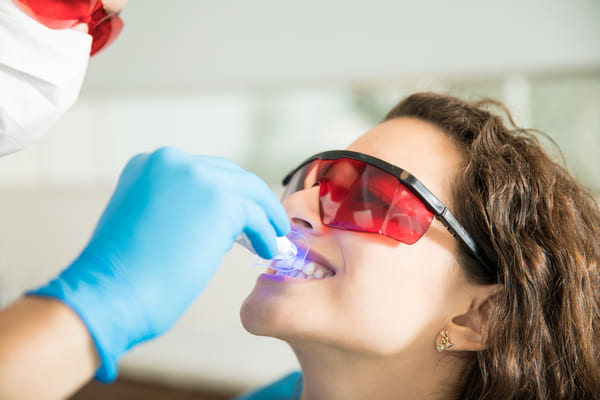
Yes. When performed by a trained periodontist using state-of-the-art equipment, the laser is very safe. At Shtern Dental Clinic, we ensure patient safety and provide protective glasses.
Does laser therapy replace gum surgery?
In many mild to moderate periodontitis cases, it does because we can clean the pockets and stimulate tissue regeneration. However, for advanced periodontitis and dental mobility, we use it as a complement.
How much does laser gum treatment cost?
The cost of laser treatment varies depending on the area to be treated, so it’s essential to attend your evaluation appointment where we’ll provide a transparent and fully personalized quote.
Does laser therapy cure periodontal disease?
Laser therapy stops the progression of periodontal disease by eliminating bacteria and stimulating tissue regeneration. However, full remission requires your commitment to maintaining oral hygiene, avoiding harmful habits (like smoking), and attending follow-up appointments.
🩺 See dental experts
Laser therapy has become one of the most successful and least invasive treatments for combating periodontitis. Preserving your teeth, restoring your smile, and quality of life is possible.
Schedule your evaluation appointment at Shtern Dental Clinic, where together we will design a personalized treatment plan to restore the health of your gums.
Sources
https://www.nidcr.nih.gov/
https://www.ncbi.nlm.nih.gov/
https://es.ohi-s.com/