

Brown spots and stains on your teeth are more common than you realize. Stains and brown spots are a symptom of a bigger problem. It can be a minor, easy-to-correct issue or something more significant that requires the assistance of a dental professional. Understanding why you have brown spots and stains on your teeth, as well as whether they are treatable, will help you receive timely dental care to address the issue.
🧐 What are These Stains and Brown Spots on my teeth?
Stains and brown spots on your teeth can happen at any age. Even infants and children can get them. Some stains are just that, stains from food, beverages, and smoking, but brown spots can be a sign of tooth decay. While many people want to treat them with over-the-counter remedies, it’s best to see a dentist, especially for children and infants, to ensure it isn’t the start of a more serious issue.
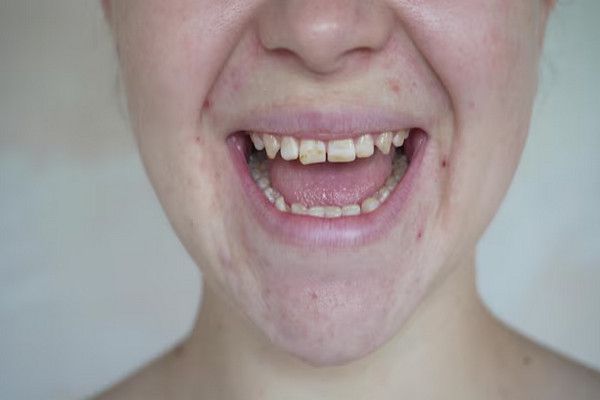
The two types of stains are Intrinsic and Extrinsic.
🔬 Types of Teeth Stains
Intrinsic Stains are discolorations inside the tooth that you see on the surface. Brown spots on your teeth typically indicate tooth decay or a cavity. Bacteria thrive in sweet, moist, and dark environments. Your mouth is the perfect place for bacteria to feed on sugar. Tooth enamel is damaged by the acids that the bacteria make. The acids create holes (cavities) in the enamel, which leads to brown spots and stains on your teeth.
The tricky part is that the discoloration isn’t always a spot; it can be lines or areas that appear blotchy.
Extrinsic Stains are found on the surface of your teeth. They are caused by consuming foods that cause stains.
The great thing is that no matter which type of staining or spot you have, they are all treatable.
🦠 Causes of Brown Spots and Stains
Intrinsic stains or spots are fancy terms for discoloration. Unfortunately, the discoloration starts on the inside and has been present for some time, becoming visible on the outside of the tooth. This makes them more difficult to treat.
Medications such as tetracycline or doxycycline, when taken during pregnancy. Medicines for hypertension, antipsychotics, iron supplements, and antihistamines can cause brown stains. They can damage the dentin and enamel, leading to increased brown stains and spots, as well as other discolorations. These stains and spots can happen quickly or over time.
An infected root canal happens when the root of the tooth is removed and the hollow space in the tooth is not cleaned properly before the crown is put in place. Because the roots are located below the gum line, the infection and decay typically begin in the inner part of the tooth. The brown discoloration is caused by the infection festering inside the tooth for a prolonged period before the outer signs become visible on the tooth.

Internal cracks in the tooth can be caused by hard foods such as nuts and hard candy. The pressure needed to chew these foods can crack your teeth, leaving fissures for bacteria and food stains to invade the enamel and the canal of a tooth, causing an infection.
Excessive fluoride use, known as fluorosis, is a common condition in children. It is ironic that fluoride, which is used to strengthen teeth’s enamel, would cause spots on teeth. Spots may start white in color and darken over time. Its severity depends on the amount of fluoride exposure the person has had.
Trauma or injury to teeth is caused by a fall, accident, or an object contacting your teeth.
Staining as you age is common. The dentin in teeth yellows as you age. The enamel becomes thinner, allowing the dentin to be visible through it. A lifetime of exposure to staining substances can cause your teeth to discolor and appear older.
Genetic Discoloration: Like any other disease, genetics can put you at risk for discolored teeth. You could have a higher likelihood of a certain tooth color, porous teeth, or thinner enamel. It can also increase your chances of experiencing sudden changes in staining and the appearance of brown spots.
Dental hygiene, or a lack thereof, can cause discoloration and the type of stains that can be embarrassing. The layer of tartar that develops on poorly brushed teeth absorbs the color of foods and drinks. Brushing and flossing daily will help reduce the likelihood of staining or brown spots.
Extrinsic Spots and Staining are caused by the things you eat, drink, and smoke. They tend to be dark in color, like tea, soda, coffee, balsamic vinegar, soy sauce, and red wine. Foods, especially berries, stain the teeth. They contain chromogens that produce pigments that stain teeth.
Tobacco, which is not good for your body in general, but nicotine and tar can stain the outer enamel on your teeth.
While you don’t have to avoid these foods and beverages, be mindful that they can cause all types of teeth stains.
💡 Did you know?
Many people don’t realize that black tea can cause even more stains than coffee!
Tea contains tannins, which easily cling to the enamel and darken your teeth over time.
To keep your smile bright, try to limit black tea, smoking, and other staining habits like red wine or cola.
Also, we highly recommend using a Waterpik — it helps remove plaque and pigment residues from between teeth and along the gumline, keeping your mouth cleaner and preventing stains before they form.
💡 Brown Spots and Stains are Treatable
Treatments for brown spots and stains depend on the cause and severity of the condition. While it may be tempting to run to the store and treat the stains yourself, it is more cost-effective to have a professional do it. Make an appointment with your dentist. Once the professional has done a thorough exam, you can create a treatment plan together.
Treating different types of stains is more thorough when done in an office setting. The results last longer, and you can be sure they were done properly.
- Tartar Removal is also called scaling. It is used to remove superficial yellow and brown stains. Once the tartar is removed, a powder and water are applied to the teeth. The procedure is called air polishing. It is painless, and the results are whiter teeth, free of stains.
- Professional whitening is used to treat stubborn stains.
- LED whitening is achieved by applying a whitening gel, followed by an LED light to boost the effects of the whitening agent.
- Laser whitening involves the application of bleaching gel, followed by a laser to remove stains. It is common to have tooth sensitivity following teeth whitening treatments.
- Veneers made of porcelain or composite are applied over the stained teeth. This form of tooth restoration is done when the discoloration or stains are severe or do not respond to whitening treatments.
- Dental crowns, fillings, and root canals are used to address large-scale dental damage and restore teeth.
🛡️ Brown Spot and Stain Prevention
Preventing brown spots and other types of stains is accomplished with good oral hygiene.
- Reduce your intake of red wine, soda, tea, and coffee.
- Limit or avoid nicotine and tobacco use
- After eating dark or acidic food and drinks, rinse or brush your teeth
- Use a fluoride toothpaste and soft toothbrush to brush your teeth twice daily
- Remove plaque by flossing daily
- Schedule appointments every six months to prevent further damage to your teeth.
Maintaining good oral hygiene and developing good lifestyle habits will help you keep your teeth stain-free. Call your dentist as soon as you notice discoloration. Early intervention can help keep brown spots and stains to a minimum.
Do you need a stress-free getaway, but need to have some tooth stains removed? Contact the Shtern Dental Clinic in Cancun, Mexico. Our premier dental destination offers cutting-edge dental care in a tranquil environment. Our bilingual staff are happy to help you make arrangements and complete the necessary forms. Relax on the beach knowing you have taken the best care of your teeth.
Sources